.png)
The Premier League, Bundesliga, LaLiga and Serie A have called for fundamental reforms to FIFA's governance structure, strengthening a growing challenge to the way the global governing body exercises its regulatory, commercial and political authority.
In a joint statement, the four leading European leagues said the withdrawal of FIFA's proposed Forward Enterprise scheme had not resolved the wider governance issues exposed by the controversy, arguing that fundamental reform was required to restore confidence in FIFA's decision-making.
Their intervention follows a joint open letter issued in August by the Asian Football Confederation (AFC), CONCACAF and UEFA, which similarly criticised FIFA's handling of the Forward Enterprise proposal and called for greater accountability and transparency within the organisation.
The continental bodies said at the time that football "belongs to no individual and no institution", arguing that the sport's growth had been achieved collectively by FIFA, the confederations, national associations and the wider football community.
The AFC, CONCACAF and UEFA specifically rejected the idea that the dispute was primarily about money or previous decisions concerning competition expansion and World Cup allocations. Instead, they framed the issue around the integrity of FIFA's leadership and the trust placed in elected officials.
They also challenged FIFA's description of the Forward Enterprise episode as a failure of communication. According to the three confederations, the proposal was advanced on a compressed timetable without meaningful consultation and pushed towards a deadline before member associations could properly assess its terms.
The continental bodies argued that the attempt to sell an interest in the FIFA World Cup represented a serious failure of judgement and called for the subsequent review to be conducted by a fully independent third party rather than by FIFA itself.
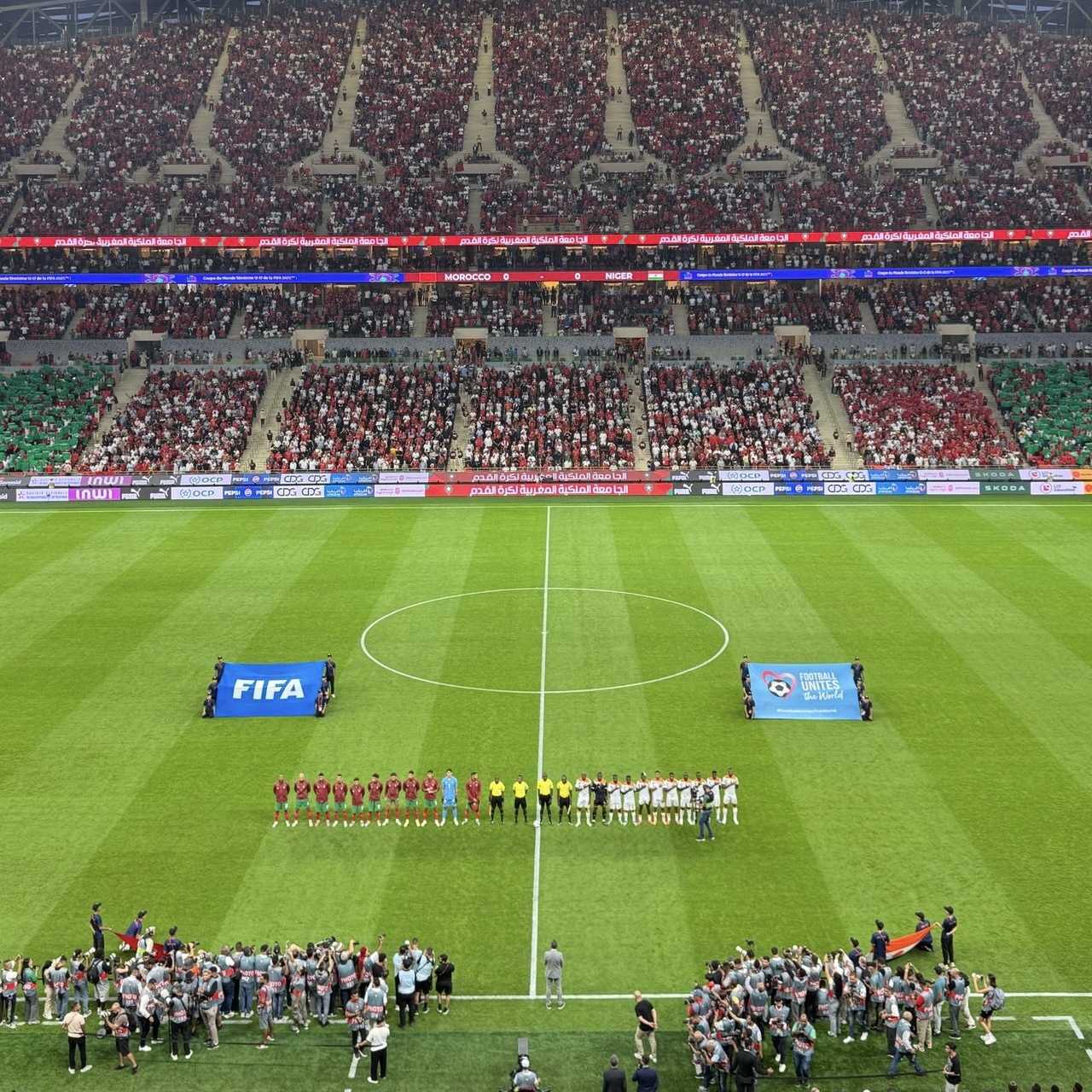
They also raised concerns over a leadership meeting in Morocco, noting that only one elected official was present and that neither FIFA Council members nor member associations were invited. The letter said the meeting, involving selected members of FIFA's management committee, reinforced concerns about the concentration of decision-making within the FIFA administration.
Against that backdrop, the four major European leagues have now argued that the governance problems exposed by Forward Enterprise extend beyond the actions of any individual.
"The FIFA President has now acknowledged the need for reform, but it is not enough for surface-level, process changes to be explored in the aftermath of FFE – fundamental governance reform is essential," the Premier League, Bundesliga, LaLiga and Serie A said.
The leagues said the central question was whether FIFA's president should be able to exercise such extensive regulatory, commercial and political authority without effective checks and balances or the agreement of stakeholders directly affected by decisions.
They pointed in particular to FIFA's influence over the International Match Calendar, arguing that decisions to expand the calendar and extend periods during which domestic competitions must stop can have significant consequences for leagues, clubs, players and supporters without those groups having a meaningful role in the decision-making process.
The leagues also linked the issue to their complaint concerning the International Match Calendar submitted to the European Commission in October 2024, arguing that the existing governance framework allows FIFA to combine regulatory authority with commercial interests in ways that can affect the economic and social sustainability of domestic competitions.
Their position echoes the broader concern expressed by AFC, CONCACAF and UEFA that FIFA's leadership must operate as a custodian of the game rather than as an authority operating above the institutions that make up football.
The European leagues have proposed three central pillars for reform.
First, they want FIFA to establish a permanent stakeholder body representing national associations, leagues, clubs and players from both men's and women's football. They believe stakeholders directly affected by decisions concerning the calendar, employment, competitions and football's core assets should have a meaningful role, including agreement being required for certain decisions.
Second, they want major FIFA proposals to be based on clearly defined rationales, supporting evidence and independent assessments published before decisions are taken. They also want alternative options to be examined and final decisions accompanied by publicly available explanations.
Third, the leagues are seeking stronger safeguards separating FIFA's regulatory responsibilities from its commercial activities as a competition organiser.
They called for FIFA's ethics, financial oversight and electoral bodies to have appointments, budgets and powers that are genuinely independent of the FIFA administration and presidency.
The demands mirror the August call from AFC, CONCACAF and UEFA for independent scrutiny of the Forward Enterprise episode. Those confederations said FIFA's own internal review would not provide the level of independence required following what they described as a serious breakdown in judgement and trust.
The four European leagues are also seeking commitments from candidates for the FIFA presidency ahead of the next election. They have called for candidates to endorse their governance principles and, within the first 100 days of the next presidential mandate, convene an independently chaired Governance Convention involving member associations and the wider football community.
The convention would be expected to report publicly within six months.
They have further called for presidential candidates to publish their reform programmes, participate in debates and adhere to fair election rules. FIFA's financial, legal, communications and marketing resources, along with football development funds, should remain strictly neutral and should not provide an electoral advantage to any candidate, they said.
The joint statements from the European leagues and the three continental confederations represent separate but overlapping demands for greater accountability within FIFA, with both groups arguing that decisions affecting the wider football ecosystem should not be concentrated within a single office.
The August letter from AFC President Salman bin Ibrahim Al Khalifa, CONCACAF President Victor Montagliani and UEFA President Aleksander Čeferin concluded with a call for leadership that "serves football, not seeks to command it".
The European leagues similarly argued that FIFA needs to remain a strong global institution, but said its authority must be matched by accountability.
"FIFA’s authority can only come from sharing responsibility, accepting scrutiny and earning trust," they said.
Featured Image Credit: Unsplash / Vikram TKV