.png)
The recent CAF Africa Cup of Nations (AFCON) has left a noticeable mark on the January 2026 FIFA/Coca-Cola Men’s World Rankings, with the tournament’s finalists, Senegal and Morocco, making significant gains.
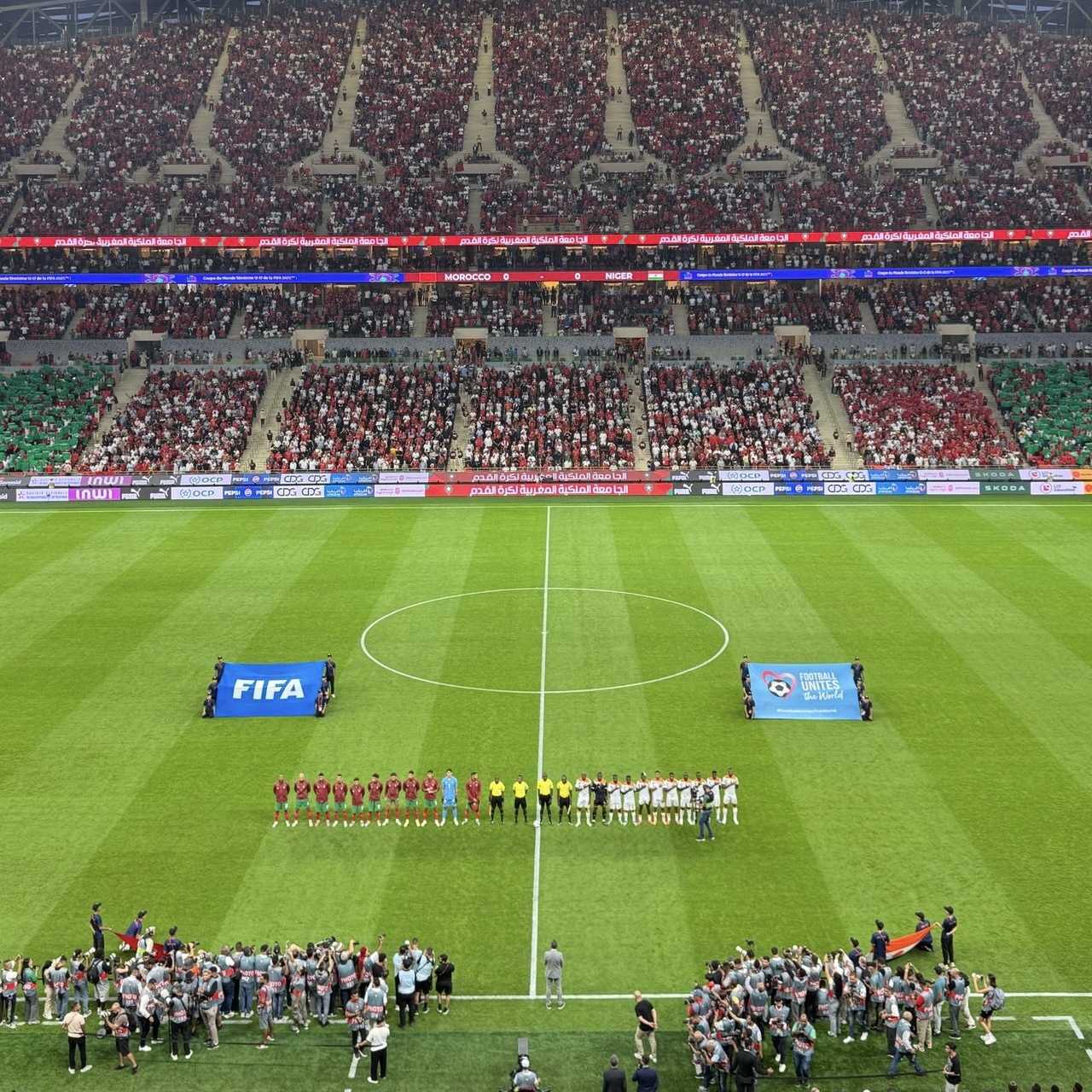
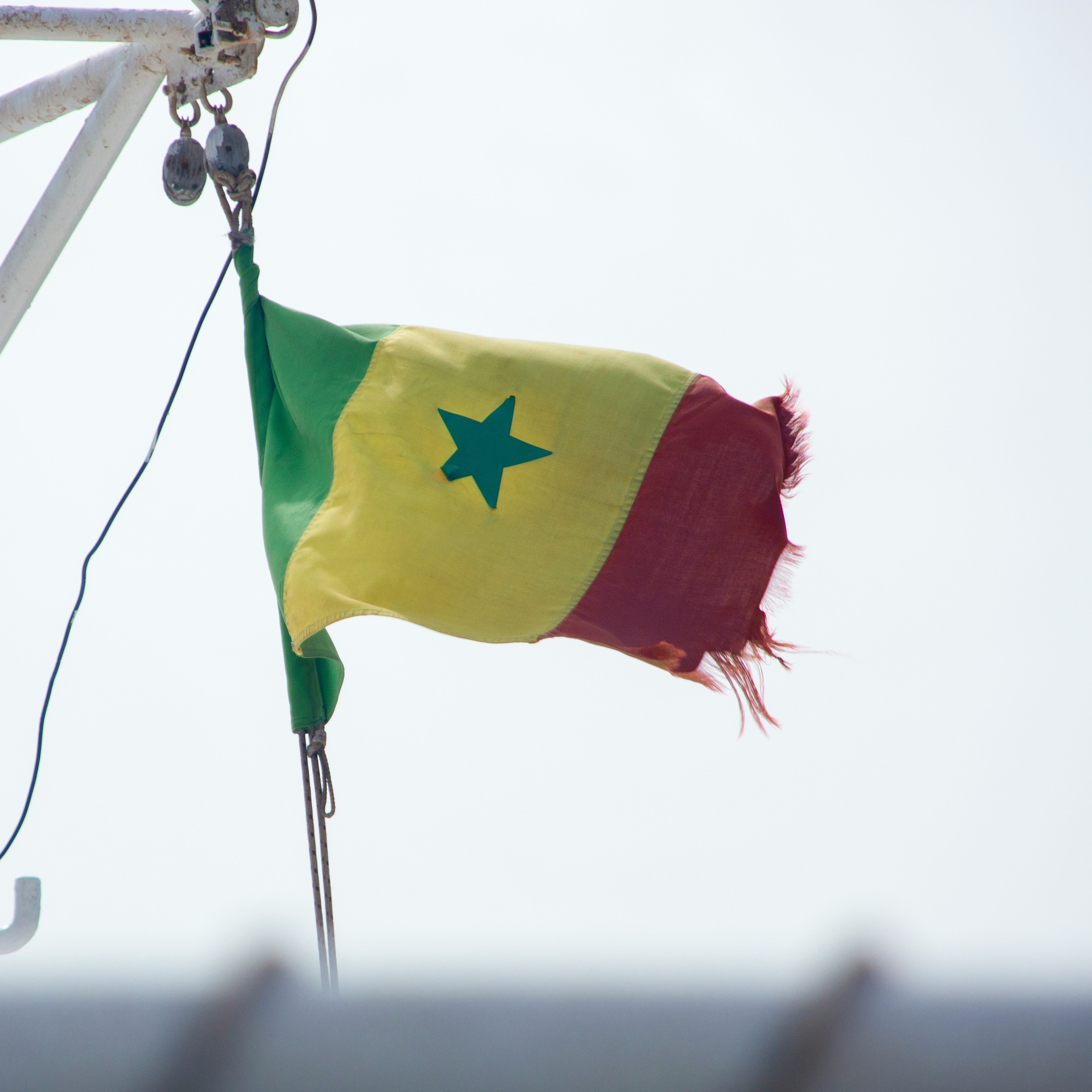
Senegal, crowned AFCON champions, climbed seven places to 12th, their highest-ever position, reflecting their continental triumph. Morocco, despite losing the final on home soil, also celebrated a milestone, rising three spots to eighth. This marks the first time the Atlas Lions have returned to the top 10 since April 1998, achieving their all-time best ranking.
The rise of Morocco and Senegal, however, came at the expense of several other nations. Croatia fell to 11th, Belgium to ninth, and Germany to 10th, all losing ground in the reshuffled top tier. AFCON bronze medallists Nigeria surged 12 places to 26th, while quarter-finalists Cameroon mirrored that leap, now sitting at 45th. Other African nations also benefited, with Algeria moving up six places to 28th, Egypt climbing four to 31st, Côte d’Ivoire rising five to 37th, and Congo DR up eight to 48th.
Spain, FIFA world champions Argentina, and France continue to dominate the top three spots, maintaining their positions from the previous ranking.
The AFCON also influenced match statistics and points movements. Egypt, Morocco, Nigeria, and Senegal played the most matches during the period (seven each), while Nigeria recorded the biggest gain in points (+79.09). Cameroon and Nigeria shared the largest leap in rank (+12 places), while Gabon and Equatorial Guinea experienced the most significant declines, dropping 44.97 points and 10 places respectively.
Among emerging stories outside Africa, Kosovo inched up to 79th, while Costa Rica (51st) and Uzbekistan (52nd) slipped from the top 50. CAF now boasts nine nations in the top 50, two more than at the end of 2025, reflecting the growing influence of African football, while UEFA continues to dominate with 26 teams in the upper echelons. CONMEBOL retains seven representatives, and AFC and CONCACAF each dropped one to four, with OFC nations still absent from the top 50.
With the AFCON having reshaped the global football landscape, Senegal and Morocco’s breakthrough positions highlight the rising prominence of African football on the world stage.
Featured Image Credit: Unsplash / Joshua Hoehne, Unsplash / Amir Mortezaie